Hidden rubbish collection charges to avoid in Brompton
Posted on 10/10/2026
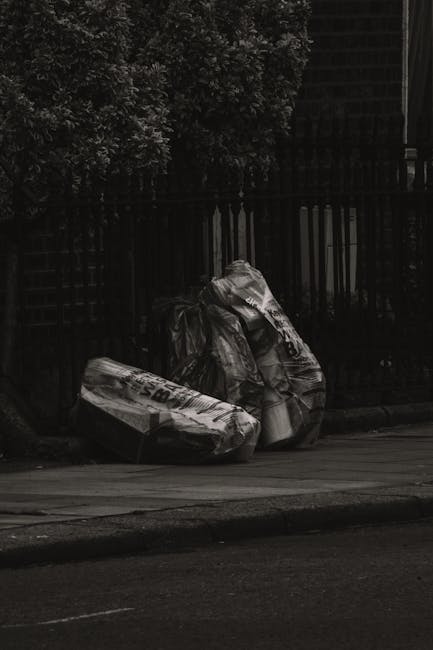
If you have ever booked a rubbish collection and then felt your stomach drop when the invoice arrived, you are not alone. The awkward part is rarely the collection itself; it is the little extras that get tacked on after the job is already underway. This guide to Hidden rubbish collection charges to avoid in Brompton breaks down the common traps, how pricing usually works, and the questions worth asking before anyone lifts a single bag. Brompton is a compact, busy part of London, so access, loading time, and waste type can all affect cost. The good news? Once you know what to look for, surprise fees become much easier to spot.
We will walk through the charges people most often miss, how to compare quotes properly, and what a fair, transparent collection should look like in practice. A lot of it is simple, really - but simple details are exactly where money slips away.
Why Hidden rubbish collection charges to avoid in Brompton Matters
Brompton is not the place where you want vague pricing. Streets can be narrow, parking can be tricky, and access can be slower than people expect, especially if the collection involves carrying waste down stairs or through shared entrances. That means some firms build in fees for things that were never clearly explained at the start. Others advertise a low headline price and make the real total appear later. To be fair, not every extra charge is unfair - some are legitimate. The issue is clarity.
Hidden rubbish collection charges matter for three simple reasons. First, they can turn a reasonable quote into a frustrating bill. Second, they make it harder to compare providers like for like. Third, they create tension on the day if the team says, "We'll need to add this on," and you are standing there with bins, bags, and no real room to argue.
In our experience, most problems come from assumptions. People assume stairs are included. They assume heavier items are included. They assume parking is included. Then the invoice lands and all those assumptions become line items. Not ideal. Not even close.
When you understand the likely extras, you can ask better questions, negotiate more confidently, and avoid the classic "cheap quote, expensive finish" problem.
How Hidden rubbish collection charges to avoid in Brompton Works
Rubbish collection pricing usually starts with the basics: the amount of waste, the type of waste, how easy it is to collect, and where the waste needs to go. On paper, that sounds straightforward. In real life, it is a bit messier. A sofa on the ground floor with easy street access is one thing. A dismantled wardrobe up three flights of stairs in a tight Brompton mews is another.
Most providers price around one or more of these factors:
- Volume: how much space the waste takes in the vehicle.
- Weight: especially relevant for rubble, soil, tiles, and similar heavy materials.
- Waste type: general household waste, garden waste, builders' waste, or specialist items can all differ.
- Access: stairs, no lift, long carries, restricted parking, or difficult loading points can add time.
- Labour: the number of people needed and how long the job takes.
- Disposal route: recycling, reuse, treatment, and disposal costs vary depending on the waste.
The hidden charges usually appear where one of those factors was not properly discussed. A quote may cover "standard collection", but not the extra handling for bulky items. Or it may cover a certain load size, then charge more if the pile is a little larger than expected. Not dramatic, but enough to sting.
Here is the part many people miss: a transparent provider should be able to explain what is included as clearly as what is not. If the wording feels slippery, that is a clue. Ask for plain English. You are paying for a service, not decoding a puzzle.
Key Benefits and Practical Advantages
Watching for hidden charges is not just about saving money, though that is the obvious one. It also gives you a calmer, cleaner booking process. You know what is included. You know what might change the price. You know what to prepare before collection day. That sort of clarity makes everything easier.
Some of the practical advantages include:
- Better budget control: you can plan a real total instead of a hopeful estimate.
- Cleaner comparisons: quotes become easier to assess side by side.
- Fewer disputes: if terms are clear, there is less room for disagreement later.
- Faster collections: when access and waste type are explained upfront, the team can arrive prepared.
- Less stress: you are not making decisions under pressure with the van at the kerb.
There is also a subtle benefit people rarely mention: confidence. You feel more in control when you know the likely extras before booking. That matters whether you are clearing a flat, sorting a renovation mess, or just trying to get the garden back under control before the weekend.
Expert summary: the cheapest rubbish collection is not always the best value. The best value is the quote that clearly explains what is included, what could change the price, and how those changes are calculated.
If a provider also talks openly about recycling and sustainability, that can be a good sign that they understand disposal properly rather than simply moving waste from one place to another. For a bit more background on that side of things, see the company's recycling and sustainability approach.
Who This Is For and When It Makes Sense
This guide is useful for anyone arranging waste removal in Brompton, but it is especially helpful if you are comparing quotes for the first time or if you have been stung by extra charges before. Let's face it, once you have paid an unexpected "access fee" or "extra load" fee, you start reading the small print differently.
You will find this particularly relevant if you are:
- clearing out a flat or townhouse
- disposing of mixed household rubbish
- managing builders' waste after a small renovation
- removing garden cuttings, soil, or heavy outdoor waste
- emptying an office or storage space
- dealing with bulky items like beds, wardrobes, or broken appliances
It also makes sense if you need a same-day or next-day service. Fast bookings can be useful, but speed sometimes narrows the time for proper explanation. One quick phone call in the morning can save a lot of aggro later.
If you are a landlord, letting agent, or local business owner, the stakes are a little different. You may be dealing with repeat collections or larger clearances, where small pricing misunderstandings can add up quickly. In that case, the value of a clear pricing structure becomes even more obvious.
Step-by-Step Guidance
1. List exactly what needs collecting
Start with a proper list. Not "a few bags and some stuff". Write down the waste type, rough quantity, and whether anything is especially bulky, heavy, sharp, or awkward. If you can, take a couple of photos in daylight. A clear photo often tells the story better than a paragraph ever could.
2. Check access before requesting a quote
Think about stairs, parking, distance from the property to the vehicle, lifts, and whether collection has to happen through a tight corridor or shared entrance. In Brompton, small access details can affect the labour time more than people expect.
3. Ask what the quote includes
Ask directly: does the price include labour, loading, disposal, VAT if applicable, parking, and any congestion or waiting time? Do not assume. A good provider should be able to explain the structure without hesitation.
4. Ask what might change the price
This is the big one. Ask about extra charges for extra volume, heavy waste, difficult access, mattresses, fridges, dismantling, or urgent timing. You are not being awkward. You are being sensible.
5. Compare more than the headline figure
Look beyond the cheapest number. Check whether the quote is fixed or estimated. Check the terms. Check whether there is a minimum charge. A lower headline price can end up costing more if it excludes basics that others include.
6. Confirm the plan before the team arrives
On the day, make sure the waste matches the description you gave. If things have changed - and they often do, to be fair - let the provider know before collection starts. It is much easier to adjust a quote early than to argue beside the van.
7. Keep the paperwork or confirmation
Save the message, quote, or booking confirmation. If a dispute crops up later, having a written record helps. A screenshot in your phone can be worth its weight in gold. Not glamorous, but practical.
Expert Tips for Better Results
A few habits make a real difference when avoiding hidden rubbish collection charges in Brompton. They are not complicated, but they save headaches.
- Ask for itemised pricing where possible. Even a simple breakdown can reveal whether you are paying for labour, loading, disposal, or extras.
- Be honest about the waste. If there is rubble mixed with household items, say so. Mixed loads often need different handling.
- Measure bulky items roughly. A wardrobe, sofa, or bed frame can take up more vehicle space than the eye suggests.
- Flag parking or access issues early. A blocked bay or long carry can change the job.
- Check what happens if the load changes on arrival. Sometimes it does. Sometimes a lot.
One practical trick: stand in the room and imagine moving everything out in one go. If it already feels awkward to you, it will likely feel awkward to the team too. That little reality check helps.
Also, do not be shy about asking whether recycling, sorting, or disposal charges are included. You do not need a lecture; you need clarity. Short, direct questions are your friend here.
If you are comparing different service types, it can also help to look at broader options such as waste removal in Brompton alongside more specific services like house clearance or builders' waste disposal. That gives you a better sense of where one service ends and another begins.

Common Mistakes to Avoid
Most expensive surprises come from a handful of predictable mistakes. They are easy to make, especially if you are booking in a hurry.
- Assuming the quote is fixed. Some quotes are estimates only, and that matters.
- Forgetting to mention stairs or long carries. Access is a common source of extra cost.
- Mixing waste types without warning. Heavy or specialist waste can change pricing.
- Ignoring the small print. Annoying, yes. Useful, also yes.
- Not asking about minimum charges. Small jobs can still have a floor price.
- Leaving the sorting for collection day. If items need separating, do it beforehand where you can.
- Choosing purely on the cheapest headline quote. Cheap is not always cheerful when the extras appear.
There is another common one: people forget how quickly a "few bits" becomes a full load once everything is gathered together. You know how it goes. Bags multiply. Boxes appear from nowhere. Somehow there is always one extra chair.
Be careful with same-day offers too. They are genuinely useful, especially for urgent clear-outs, but confirm the scope in writing. A quick service should still be a clear service.
Tools, Resources and Recommendations
You do not need specialist tools to avoid hidden charges, but a few simple things help a lot:
- Phone photos: take pictures of the waste from a few angles.
- Basic measurements: rough dimensions for bulky items are enough.
- A notes app or checklist: jot down what you were told about pricing.
- Proof of booking: save the quote or message thread.
- Bin bags or labels: useful if you are separating waste by type beforehand.
If your clearance is more involved, the company's own service pages can help you narrow the right option. For example, garden materials may fit a dedicated garden waste removal service, while office furniture and documents are better handled through office clearance. Using the right service from the start usually reduces pricing confusion.
If you want to understand the company side of things before you book, the services overview and pricing and quotes pages are sensible places to start. They can help you see how the different pieces fit together.
Law, Compliance, Standards, or Best Practice
Waste collection is not just a matter of sending someone round with a van. There are legal and practical duties around handling, transporting, and disposing of waste properly. Without getting bogged down in legal jargon, the main thing to remember is that reputable operators should be able to explain how they manage waste responsibly and safely.
That usually means:
- following proper waste handling and disposal practices
- separating recyclable material where possible
- using safe loading methods for heavy or awkward items
- being clear about what happens to collected waste
- maintaining appropriate insurance and safety standards
If you are paying for rubbish collection in Brompton, you should expect a provider to be open about safety and the general disposal process. You do not need a technical dissertation. Just enough transparency to know your waste is being handled properly.
It is also good practice to check terms and conditions before booking, especially if the quote mentions exclusions, access charges, or waiting time. That is not about distrust. It is just how you avoid misunderstandings. For broader company policies, a quick look at the terms and conditions and insurance and safety information can be helpful.
Payment security matters too. If you are asked to pay online or in advance, it is reasonable to check the provider's payment and security details. Small step, big peace of mind.
Options, Methods, or Comparison Table
Different collection approaches suit different situations. Here is a simple comparison to help you decide what feels right for your job.
| Option | Best for | Possible hidden charge risk | What to confirm |
|---|---|---|---|
| Single-item collection | One bulky item like a sofa or mattress | Access, stairs, or disassembly fees | Whether labour and disposal are fully included |
| General rubbish collection | Mixed household waste or bagged rubbish | Load-size surprises and prohibited items | Maximum volume and item exclusions |
| Builders' waste removal | Renovation debris, rubble, tiles, plasterboard | Heavy-load and material-specific charges | Weight limits and sorting requirements |
| Garden waste removal | Cuttings, branches, soil, and green waste | Soil weight, bagging, and access fees | Whether the waste must be bagged or separated |
| House or office clearance | Whole-room or whole-property clear-outs | Labour, time, and access-related extras | Scope of clearance and whether sorting is included |
The table is not there to overcomplicate things. It just shows why the wrong service choice can create the very charges you were trying to avoid. One size rarely fits all, especially with waste.

Case Study or Real-World Example
Here is a realistic Brompton scenario. A resident in a first-floor flat wants to clear out several black bags, an old armchair, and a dismantled bookcase. The initial quote looks fine at first glance. But when the provider asks a few questions, it becomes clear that the flat has no lift, parking is limited, and the bookcase will need to be carried down a narrow stairwell. There is also an extra-heavy bag of mixed debris tucked in at the back. Surprise, surprise.
Because those details were identified early, the quote was updated before collection day. The customer could decide whether to proceed, split the waste into two visits, or prepare the items differently to reduce labour time. That is the key difference between a hidden charge and a transparent adjustment: one ambushes you, the other gives you a choice.
If the details had been left vague, the collector might have arrived, assessed the job on the spot, and added extra costs then and there. Nobody enjoys that conversation. The van is already outside. The hallway is crowded. It is all a bit tense. Better to avoid it.
For larger residential clear-outs, it can also be useful to compare a focused household service with a broader house clearance option. Sometimes the more complete service is actually the simpler, clearer one.
Practical Checklist
Use this quick checklist before you book. It takes a few minutes and can save a lot of hassle.
- Have I listed all items that need removing?
- Have I included photos or rough measurements where useful?
- Did I mention stairs, lifts, parking, and access limits?
- Have I asked whether the quote is fixed or estimated?
- Do I know what is included in the base price?
- Have I asked about extras for heavy, bulky, or specialist items?
- Do I know whether disposal, labour, and VAT are included?
- Have I checked the provider's terms and safety information?
- Do I have the quote or booking details saved somewhere easy to find?
- Have I compared at least one alternative service or quote?
If you can tick most of those off, you are already ahead of the average booking. Honestly, that alone makes a difference.
Conclusion
Hidden rubbish collection charges in Brompton are usually not mysterious at all once you know where they come from. They tend to appear around access, load size, waste type, labour, and unclear inclusions. The fix is straightforward: describe the job properly, ask direct questions, and compare quotes on the full picture rather than the headline number.
That approach gives you a calmer, more predictable experience and helps you choose a service that actually fits the job. It also saves time, which in a busy area like Brompton is no small thing. One clear conversation at the start can spare you a lot of back-and-forth later.
Get a free quote today and see how much you can save.
And if you are still weighing up the right fit, the company's about us page can give you a better feel for how they work. A little clarity goes a long way, and frankly, it should.
 Tipper Van - Rubbish Disposal and Rubbish Clearance Prices in Brompton
 Luton Van - Rubbish Disposal and Rubbish Clearance Prices in Brompton