Brompton business rubbish removal for local shops Knightsbridge
Posted on 27/08/2026
Brompton Business Rubbish Removal for Local Shops Knightsbridge
If you run a shop in Knightsbridge, you already know rubbish has a habit of building up at the worst possible time. One delivery box too many, a burst of packaging after stock changeover, a broken display, old signage, out-of-date stock, and suddenly the back room feels smaller than it did yesterday. That is where Brompton business rubbish removal for local shops Knightsbridge becomes less of a luxury and more of a quiet necessity.
This guide walks through how local shop waste removal works, what it helps with, where businesses often go wrong, and how to keep the whole process tidy, compliant, and low-stress. We will keep it practical. No fluff. Just the stuff shop owners, managers, and fit-out teams actually need.
For a broader view of available help across the area, you may also find the services overview useful alongside this article.
Expert summary: For local shops in Knightsbridge, the best rubbish removal setup is usually the one that is predictable, discreet, and flexible enough to handle changing waste loads without interrupting trading hours. In other words: less mess, fewer headaches, better front-of-house presentation.
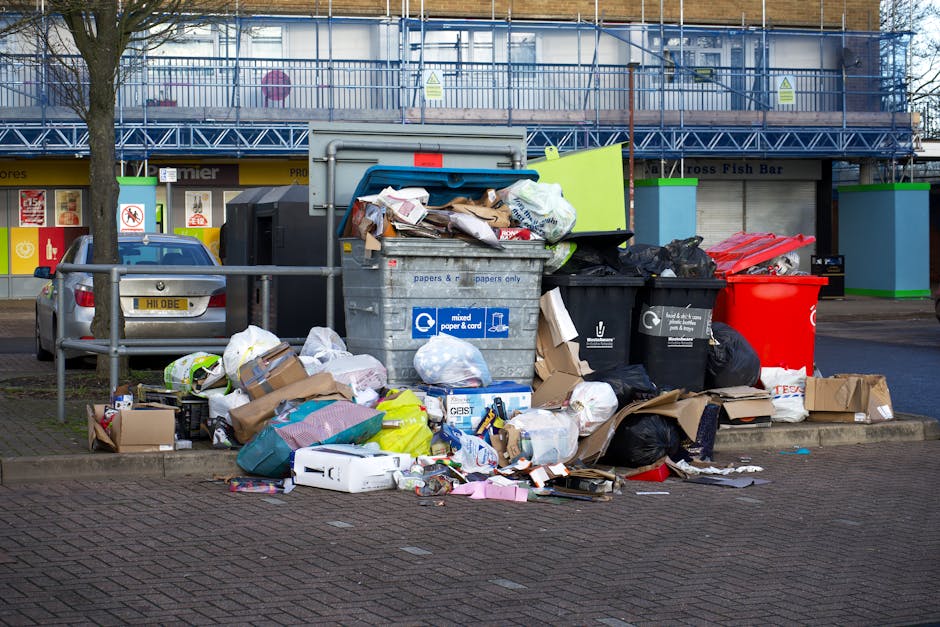
Why Brompton business rubbish removal for local shops Knightsbridge Matters
Local shops live and die by presentation. A clean window, a clear pavement edge, and a tidy stockroom all tell the same story: this business is on top of things. When waste starts piling up, the impact is immediate. Customers notice. Staff notice. You notice. And once rubbish begins affecting access, storage, or hygiene, it becomes more than an eyesore.
In Knightsbridge and nearby Brompton, the pressure is even sharper. Shopfront space is valuable, streets are busy, and many businesses operate in compact premises where every square metre matters. Old packaging from deliveries, damaged shelving, cardboard, shrink wrap, and unwanted fixtures can quickly crowd a small retail space. That clutter slows staff down and can make daily operations awkward. To be fair, nobody wants to drag a stack of broken display boards past customers at 9:15 in the morning.
Reliable rubbish removal helps shops keep turnover smooth, especially during seasonal changes, refurbishments, stock resets, or after busy weekends. It also supports better stock control. If you can clearly see what is in storage, what needs replacing, and what needs clearing, decisions become easier. Simple enough, but surprisingly powerful.
There is also a reputational angle. Local shoppers expect a polished experience in Knightsbridge. A front-of-house area that looks organised can shape how people feel before they even step inside. That matters for boutiques, gift shops, pharmacies, specialist food stores, and premium retail alike.
For businesses thinking longer term about shop value, fit-out quality and neighbourhood appeal, the surrounding context matters too. Articles like your guide to real estate investment in Brompton and home purchase in Brompton show how much local presentation and upkeep can influence perception in this part of London. Not the same topic, obviously, but the same principle: tidy spaces help maintain value.
How Brompton business rubbish removal for local shops Knightsbridge Works
The process is usually simpler than many owners expect. In most cases, it begins with a short description of the waste, access arrangements, and timing needs. A good provider will want to know what needs removing, how much there is, whether it is loose or bagged, and whether any items are bulky, fragile, or awkward to move. If your shop sits on a busy street or has limited rear access, that detail matters. A lot.
Once the job is scoped, the collection is scheduled around your trading hours as much as possible. For local shops, timing is everything. Early morning before opening, after closing, or during a quieter midweek slot often works best. The aim is to keep disruption low and movement safe.
On the day, the team typically loads the waste directly, sorts materials where appropriate, and clears the area so you are not left with half-finished piles. That direct-loading approach is one reason businesses often prefer waste removal over relying on their own bins. It saves staff time and reduces the awkward balancing act of trying to store surplus rubbish behind the counter for "just one more day". We have all seen how that ends.
Depending on the waste type, a provider may separate recyclable materials from general rubbish. Cardboard, clean packaging, metal fixtures, and some plastics are often easier to sort than mixed waste. If you are arranging clearance after a refit, the service may overlap with other needs too, such as office clearance in Brompton or builders waste disposal in Brompton, especially if the shop is being reworked or fitted out.
For urgent situations, a same-day option can make a real difference. A back room blocked by cardboard or a broken fixture before a stock launch is not something you want to sit on until next week. In those moments, quick turnaround counts, and a guide like same-day rubbish collection on Brompton Road SW3 is worth a look for the kind of scenario where speed matters more than anything else.
Key Benefits and Practical Advantages
There are plenty of reasons local retailers choose professional waste removal instead of letting rubbish accumulate. Some are obvious. Some are the kind you only notice once the clutter is gone.
- Cleaner customer experience: A tidy shopfront and uncluttered back-of-house area create a calmer, more professional feel.
- Better use of space: Small shops especially need room to move stock, unpack deliveries, and store essentials without tripping over old waste.
- Reduced staff distraction: When rubbish is handled externally, your team can stay focused on customers and operations.
- More flexible scheduling: Collections can often be planned around opening hours, delivery windows, or quieter trading times.
- Less manual hassle: Bulky waste, awkward fixtures, and heavy bags can be removed without staff having to wrestle them downstairs or around customers.
- Better recycling outcomes: If materials are separated properly, more of the load may be diverted from general disposal.
There is also a hidden benefit that many shop owners appreciate only after the first proper clearance: mental breathing room. A cleaner stockroom makes decisions easier. Should that shelving stay? Do we actually need three old promo stands? Are those boxes useful, or just taking up space because nobody has had time to deal with them? Once the waste goes, the answer usually becomes obvious.
And yes, it can help with seasonal trading too. After Christmas, sale periods, spring refreshes, or a window display changeover, shops often face a short burst of waste that feels too much for routine bin collections. Having a proper removal plan keeps those busy periods from turning into messy ones.
Who This Is For and When It Makes Sense
This kind of service is not just for big retailers with ongoing waste streams. In practice, it is useful for a wide mix of local shops and small commercial premises across Brompton and Knightsbridge.
- Boutiques and fashion stores
- Gift shops and lifestyle retailers
- Pharmacies and health-focused shops
- Food shops with regular packaging waste
- Florists and specialist retailers
- Pop-up shops and short-term tenancies
- Shops undergoing refurbishments or small fit-outs
- Businesses clearing out storage rooms, basements, or back-of-house areas
It makes sense when waste is too bulky for normal collections, when trading space is being affected, or when the business is changing layout or stock model. It also makes sense if staff are spending too much time trying to manage rubbish instead of serving customers. That one tends to creep up on people. A bit of waste here, a bit there, and suddenly Monday morning starts with a pile of broken cartons and nobody quite knows who is dealing with it.
If your premises sit in a mixed-use area, local context can matter as well. A shop near residential buildings, hospitality venues, or estate-managed property may need quieter handling and tighter timing. For that reason, some businesses also keep an eye on the broader local environment through pieces such as Embrace the beauty of Brompton and what residents say about Brompton, because neighbourhood expectations really do shape day-to-day operations.
Step-by-Step Guidance
If you want a simple way to organise shop waste removal without overthinking it, follow this sequence. It is straightforward, but it works.
- Walk the premises first. Identify waste in the shop floor, stockroom, basement, rear yard, and any hidden corners where packaging tends to gather.
- Separate waste types. Put cardboard, soft packaging, display material, metal, wood, and general rubbish into rough groups before collection day.
- Flag anything unusual. Broken glass, electronics, sharp fittings, or paint-related items may need special handling. Do not leave it to guesswork.
- Check access. Measure narrow doorways, stair runs, rear alley access, and parking constraints if relevant. A collection team needs this information upfront.
- Choose the right time window. Aim for a slot that avoids peak footfall and delivery congestion. Early starts are often easier than people expect.
- Confirm what is included. Ask whether loading, labour, sorting, and disposal are part of the service so there are no awkward surprises later.
- Clear the area before arrival. Make sure waste is accessible and paths are safe. The cleaner the setup, the smoother the pickup.
- Do a final sweep. Check corners, under counters, and the stockroom after the team leaves. Small forgotten items have a funny way of becoming tomorrow's clutter again.
A good rule of thumb: if the rubbish would slow down customers, staff, or deliveries, treat it as a priority, not a spare task. That little shift changes everything.
Expert Tips for Better Results
After enough shop clearances, a few patterns become obvious. The businesses that stay on top of waste tend to make the process routine, not reactive.
Keep waste visible, not hidden
Hidden waste becomes permanent waste. If sacks or boxes are tucked behind display units or near the back wall "just for now", they tend to stay there. Set one staging point and use it consistently. That way staff know where things go and what needs booking out.
Build removal into stock rotation
If your shop refreshes displays every month or quarter, align rubbish removal with that cycle. It is much easier to clear obsolete materials when the team is already moving things around. Less double-handling, less clutter.
Use plain labels for mixed loads
If different staff members handle waste, simple labels help. Mark cardboard, broken fittings, unwanted stock packaging, and "do not move" items clearly. It sounds basic, but it prevents a lot of muddle.
Don't let staff improvise with risky items
If something is sharp, heavy, damp, or oddly shaped, stop and assess it properly. Not everything should be dragged out with a bin bag and good intentions. Truth be told, the phrase "it'll be fine" causes more grief than almost anything else in small commercial clearances.
Ask about recycling-friendly sorting
Mixed waste is common, but it is not ideal. The more you separate clean cardboard, metal, and usable fixtures in advance, the better your disposal options may be. It is better for the environment and often makes operations smoother too. You can read more about that approach in the site's recycling and sustainability information.
Plan for the awkward items first
Large signs, broken mannequins, shelving, damaged display plinths, and old counters are usually the items that slow a clearance down. Deal with those in the plan first, not last. It saves time on the day.

Common Mistakes to Avoid
Local shops often run into the same avoidable problems. The good news is that each one is easy to fix once you know it exists.
- Waiting too long: A small pile of waste can become a blocked stockroom fast. Don't let it get to that stage.
- Mixing everything together: Mixed waste is harder to sort and can reduce recycling opportunities.
- Forgetting access issues: Narrow staircases, parking restrictions, and loading limitations should be mentioned early.
- Ignoring bulky items: Big items usually take more planning than standard bagged rubbish.
- Relying on staff to do everything: Your team should not be turned into a clearance crew on top of serving customers.
- Not checking the scope: Always confirm whether labour, loading, and disposal are included.
Another common mistake is assuming all waste is the same. It is not. Shop waste, packaging, damaged stock, fit-out debris, and confidential materials are different beasts. They need different handling, even if they all end up looking like "just rubbish" at the back of the premises.
Tools, Resources and Recommendations
You do not need a giant setup to keep retail waste under control, but a few simple tools make life easier.
- Heavy-duty bags and bins: Good for day-to-day packaging and lighter waste.
- Hand trolleys or sack trucks: Useful for moving bulky but manageable items safely.
- Clear labels: Perfect for separating recycling, general waste, and items awaiting collection.
- Measuring tape: Handy for checking door widths, corridors, and storage spaces before booking removal.
- Basic inventory notes: Helps you identify what is waste versus what could be reused, stored, or donated.
For some businesses, a one-off removal is enough. For others, it is better to build a regular rhythm around waste collection, especially if deliveries are frequent. If you are weighing that up, a general guide to waste removal in Brompton can help you think through the broader options. And if the issue is more about day-to-day bagged rubbish and routine pickup, then rubbish collection in Brompton is the more relevant angle.
Also, if you are reviewing the reliability or standards behind a provider, pages like insurance and safety and about us are useful trust signals to check before you commit. Not glamorous, perhaps, but sensible.
Law, Compliance, Standards, or Best Practice
For any business rubbish removal, compliance is not something to hand-wave away. You do not need to become a waste-law specialist, but you do need sensible habits.
In the UK, businesses are generally expected to manage waste responsibly, avoid fly-tipping, and use a service that can handle disposal appropriately. If waste is mixed with items that need special handling, those materials should be separated and treated properly. This is especially important for electrical items, sharp materials, and anything that could present a safety risk to staff, customers, or the public.
There is also the matter of access and public space. In busy areas like Knightsbridge, rubbish left on pavements, stored badly, or moved carelessly can create nuisance, trip hazards, or complaints from neighbours and passers-by. Best practice is simple: keep waste contained, move it only when ready, and schedule collections so they do not interfere with trading or pedestrian flow.
If your shop has any internally managed policies, such as safety procedures, storage rules, or contractor access requirements, waste removal should fit those too. That includes not blocking fire exits, not creating clutter in escape routes, and making sure staff understand what can and cannot be left in back-of-house areas.
Where a business has a duty to protect customers and employees, keeping waste under control is part of that broader responsibility. A tidy space is not just neat. It is safer. And safer tends to run better, as a rule.
Options, Methods, or Comparison Table
Not every shop needs the same approach. Some only need occasional clearances. Others do better with a regular pickup pattern. Here is a simple comparison to help you decide.
| Method | Best for | Strengths | Limitations |
|---|---|---|---|
| One-off rubbish removal | Refits, stock clear-outs, spring cleaning, post-event mess | Fast, simple, ideal for irregular waste | Not designed for ongoing waste streams |
| Routine collection | Shops with steady packaging and daily waste | Predictable, easy to budget, keeps clutter down | May need extra booking for bulky or seasonal waste |
| Targeted bulky-item clearance | Display units, shelving, old signage, awkward fixtures | Handles larger items cleanly and safely | Less useful for everyday rubbish |
| Mixed waste clearance after works | Fit-outs, decor changes, light refurbishment | Convenient when several waste types build up at once | Requires clearer planning and access coordination |
In many cases, the smartest answer is a hybrid approach. A shop might use routine rubbish collection for daily packaging and then book occasional clearance when stock changes, repairs, or seasonal promotions create extra mess. That combination tends to keep things manageable without overpaying for unnecessary services.
Case Study or Real-World Example
Picture a small Knightsbridge shop that has just finished a window refresh and seasonal stock change. The front display looks great, but the stockroom is another story. There are cardboard cartons, broken packaging strips, old display boards, and a couple of awkward wooden fixtures that no longer fit the new layout.
The problem is not dramatic. It is just... everywhere. Staff keep stepping around it. One box has been moved three times. The rear corridor feels tighter than it should. And because deliveries are still coming in, the clutter is beginning to interfere with normal flow.
In a case like that, the most useful solution is usually a planned clearance outside peak hours. The waste gets grouped into a few simple categories first, the awkward pieces are identified, and the team removes everything in one go. The result is immediate. The stockroom opens up, the shop feels calmer, and staff can get back to selling rather than dodging cardboard towers.
What stood out most in situations like this is not the removal itself. It is the relief afterwards. You can almost hear the difference. Less shuffling, less muttering, fewer "we'll deal with that later" conversations. Small business owners know that feeling well. It is oddly satisfying.
And if the issue is part of a broader property change or business move, related guidance like office clearance Brompton can be useful where storage rooms, desks, or mixed-use spaces need clearing alongside retail waste.
Practical Checklist
Use this checklist before booking business rubbish removal for your local shop.
- Identify all waste areas: shop floor, stockroom, basement, rear yard, and storage cupboards.
- Separate cardboard, general rubbish, damaged stock, and bulky items.
- Note anything sharp, heavy, fragile, or unusual.
- Check access points, stairs, and loading restrictions.
- Choose a collection time that avoids peak customer flow.
- Confirm what the service includes: loading, labour, disposal, and sorting.
- Make sure no fire exits, walkways, or customer routes are blocked.
- Brief staff so everyone knows what stays and what goes.
- Do a final sweep after collection.
- Set a repeat rhythm if waste keeps building up every week.
If you can tick most of those boxes, you are already ahead of the curve. Honestly, that alone prevents a surprising amount of hassle.
Get a free quote today and see how much you can save.
Conclusion
Brompton business rubbish removal for local shops Knightsbridge is really about keeping the day-to-day running smoothly. A clean, organised shop is easier to manage, easier to work in, and easier for customers to trust. Whether you are clearing packaging after deliveries, removing bulky fixtures, or dealing with waste after a refit, the right approach keeps your business moving without unnecessary disruption.
The best results usually come from simple habits: sort early, book at sensible times, and keep waste from becoming part of the furniture. Once a shop gets that rhythm right, everything feels lighter. Less clutter. Less stress. More room to focus on the actual business. And that is the point, after all.
For more on company details and operational standards, it can also help to review modern slavery statement, privacy policy, terms and conditions, payment and security, and cookie policy where relevant to your due diligence. Not because you need a lecture, just because a properly run service should be clear about how it operates.
And if you are near other mixed-use or local-living areas, related reading such as affordable house clearance in Brompton and South Kensington and where to dispose garden waste near Brompton Oratory gives a good sense of how local waste needs vary across the area.

 Tipper Van - Rubbish Disposal and Rubbish Clearance Prices in Brompton
 Luton Van - Rubbish Disposal and Rubbish Clearance Prices in Brompton